Supporting third places, social infrastructure, and life at night…
Building and understanding cities is collaborative work. I work closely with city administrations, consultancies, civic and cultural organizations on research, events, educational programs, policy proposals, governance structures and more. Here’s a snapshot of what it looks like.
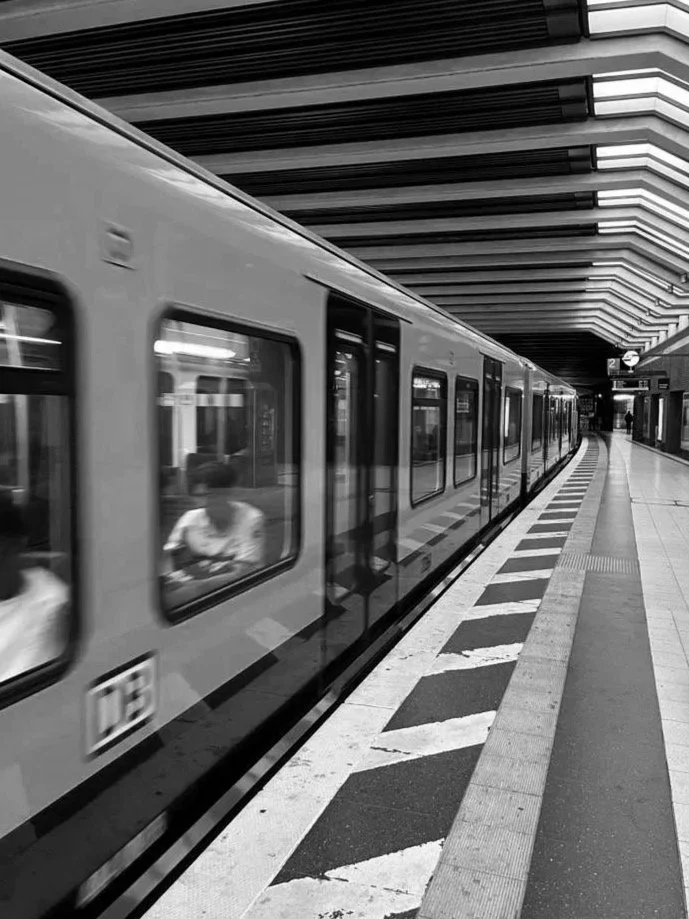
WHAT IF BERLIN (2026)
Berliner Festspiele (Berlin)
Performer / Tour Guide
How can forgotten artistic heritages be revived? What infrastructures and urban systems enable participation and diversity? How can a city centre open up to its periphery? As part of the 75th anniversary of the Berliner Festspiele, WHAT IF invited audiences on six guided tours across the 27 stations of the Berlin Ringbahn. Each tour used Berlin's Ringbahn train line as a stage, tracing unrealized, forgotten, or disappeared "ghost" projects of the city, in order to spark visions for Berlin's future. Director Akira Takayama founded Tokyo interdisciplinary theatre collective Port B in 2002, and his works activate urban space as a site of participation and reflection.
Read, listen and see more: NSNS Magazine (EN), Night Out @ Berlin (DE)
Project site: Berliner Festspiele
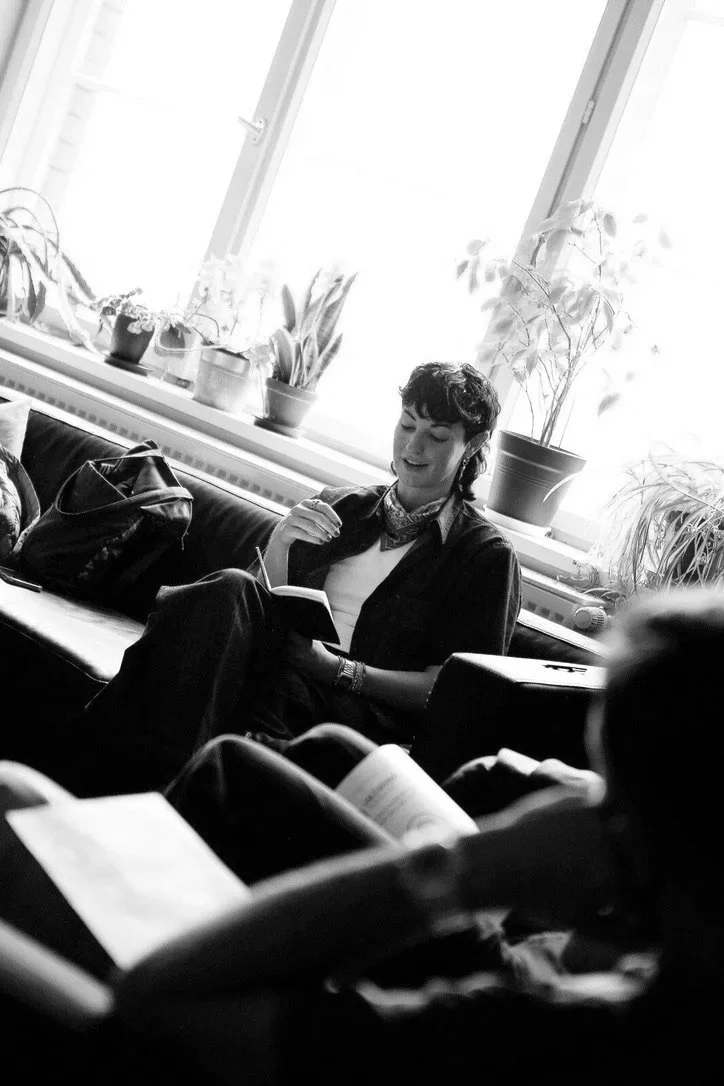
NightSchool Nordics (2026)
VibeLab and NightShift Helsinki (Helsinki/virtual)
Programme Lead
NightSchool is an educational programme, knowledge-sharing initiative and online resource designed for night culture producers at the beginning of their careers. Its first edition in 2024, funded by Creative Europe, hosted 15 participants; its 2026 expansion moves online to host a larger cohort of emerging culturemakers based across Finland and in other Nordic cities. Over five evening sessions, participants build practical skills across defining a concept, financial sustainability, navigating permits and licensing, and planning for safety, inclusion and harm reduction.
Read more: NightSchool Nordics
Photo: Constanze Flamme
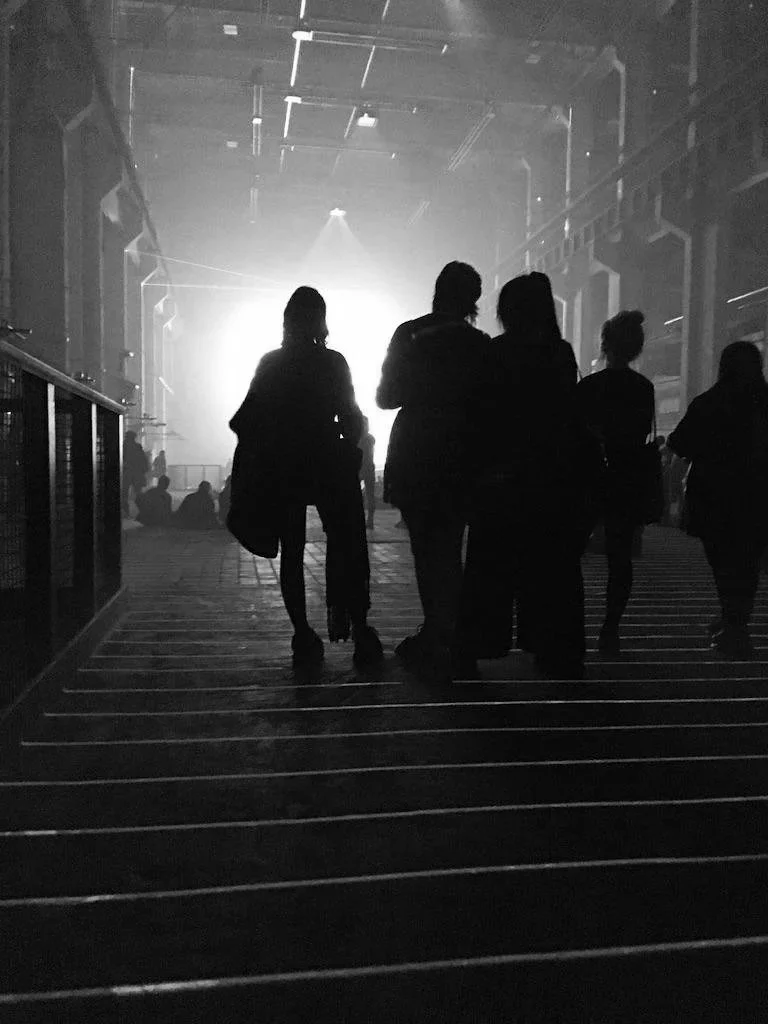
Berlin Club Survey (2022-2026)
Berlin Clubcommission (Berlin)
Co-Author
The Berlin Club Survey (BCS), developed by Berlin Clubcommission, asked over 4000 Berlin clubgoers about topics such as their motivations for participating in club culture, what creates a sense of safety and belonging in club spaces, experiences of discrimination in club culture, their perceptions of support structures like awareness teams, and what hopes they have for the future of (Berlin) club culture. The resulting report details the survey findings along with recommendations for future action.
Co-authors: Bianca von Wurzbach, Kai Sachse, Katharin Ahrend, Zeynep Demir, Thale Reitz
COMING SOON
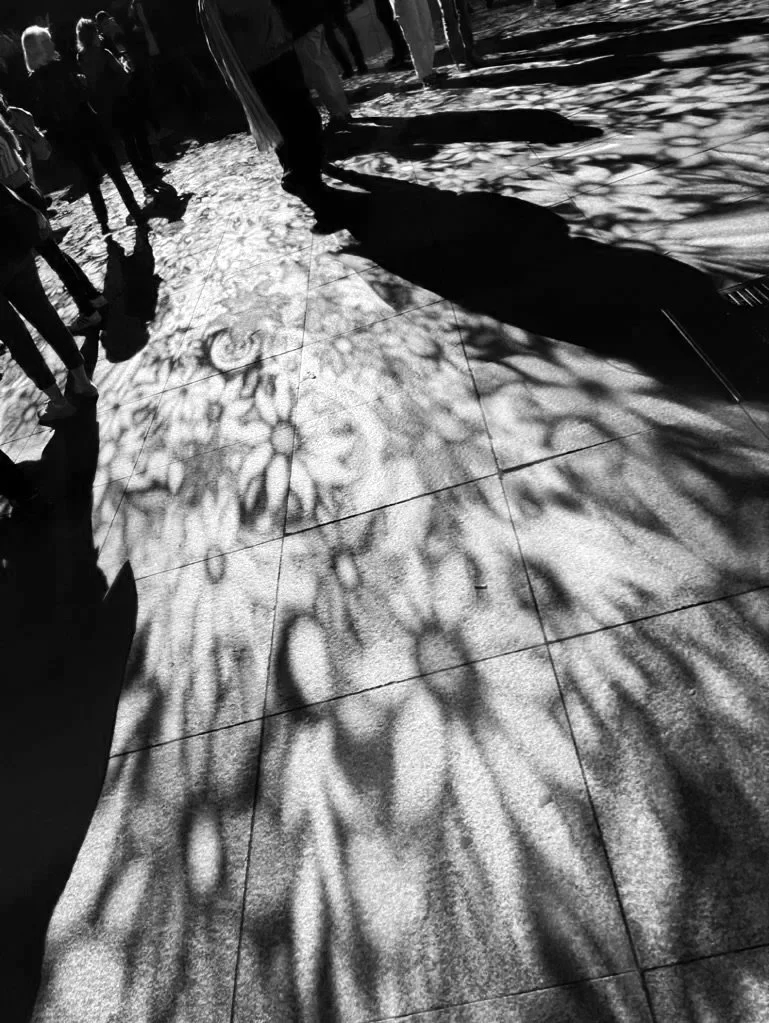
AMPED!/Casa Bikes (2025-)
Casa Bikes (Cambridge, MA)
Strategy Consultant
Bike shop by day. Community gathering space by night. AMPED! and Casa Bikes Labs activate the Cambridge-based Casa Bikes retail locations as spaces of community, connection and radical social experience.
COMING SOON
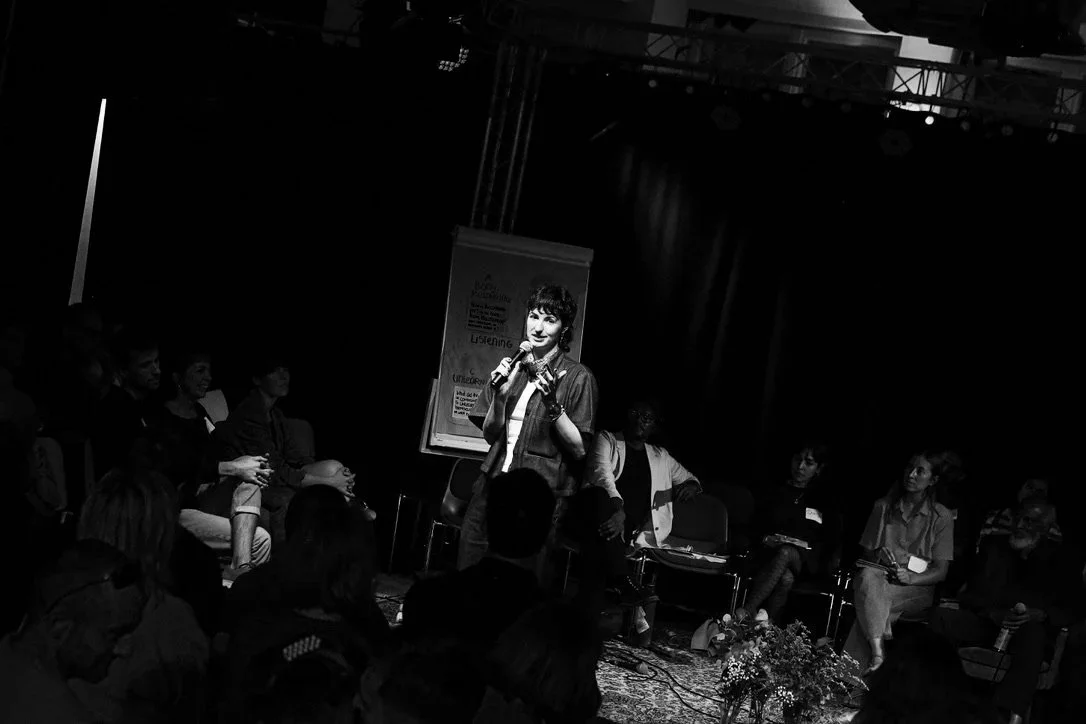
Creative Footprint (2021-2026)
VibeLab / PennPraxis (Copenhagen, Rotterdam, Sydney, Montréal, Stockholm)
Research and Report Lead
Creative Footprint (CFP) is a mixed-methods study that maps creative spaces and communities to assess the cultural vitality of a city’s music and nightlife ecosystem. Founded in 2017, CFP has conducted community-based and collaborative venue mapping in cities across the world. Developed amidst a proliferation of economic-impact studies for cultural spaces, CFP’s measurement framework values creative infrastructure not for what it earns, but for what it enables.
Read more: Creative Footprint // City overviews: Copenhagen | Rotterdam | Sydney | Montréal
Photo: Constanze Flamme
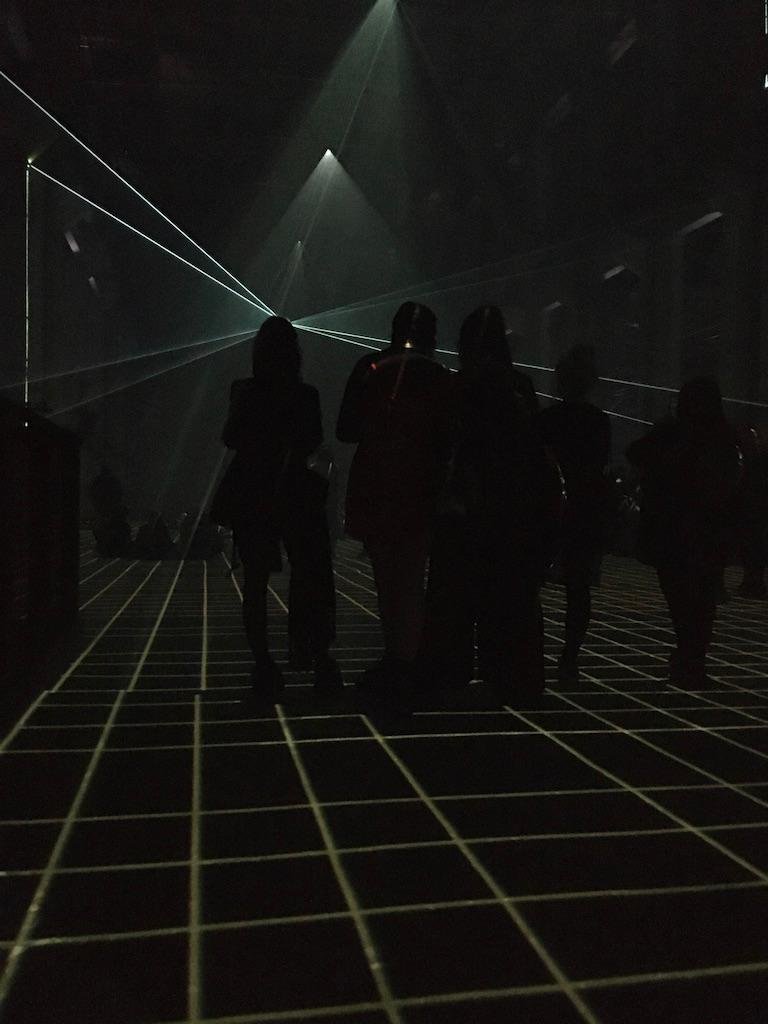
Case Studies in Design: Berlin Clubcommission (2025-2026)
VibeLab for PennPraxis (Berlin)
Editor and Contributing Writer
Case Studies in Design is a collective writing project, led by PennPraxis, that creates opportunities for community and design leaders to think together about ways to catalyze transformational design, planning, and place-keeping, with the aims of learning from ambitious projects designed in community, sharing experience through a public library of case studies, and training ourselves for new ways of working with communities.
This case study examines the evolution of Clubcommission Berlin as a strategic agent in urban regeneration – and club culture as a powerful actor in developing cultural infrastructure and fueling urban transformation.
Co-authors: Lutz Leichsenring, Diana Raiselis, Amir Salem, Thomas Scheele, Andreina Seijas, Kerronia Thomas
Read more: PennPraxis Case Studies in Design
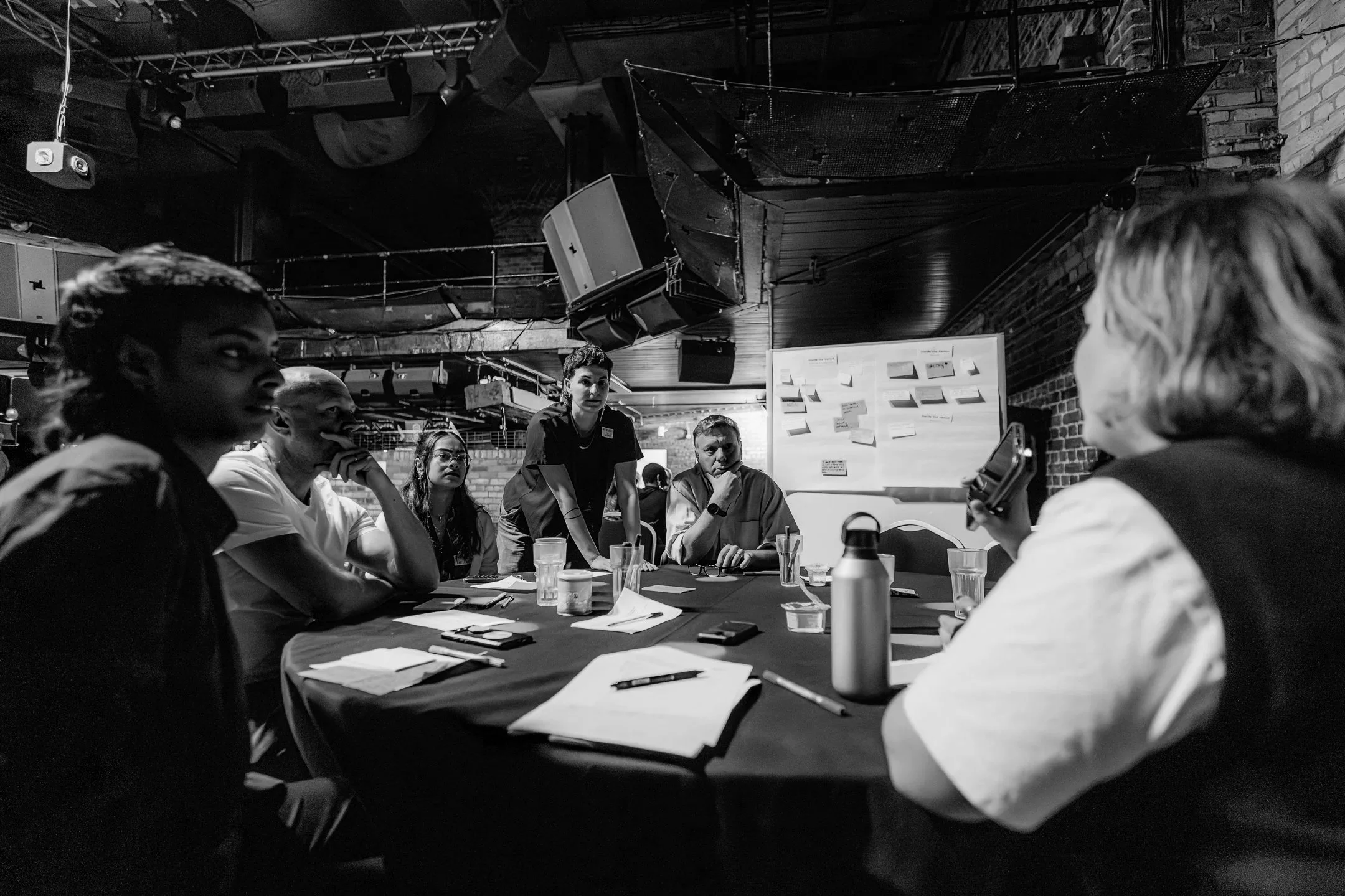
London Nightlife Taskforce (2025-2026)
VibeLab for Greater London Authority (GLA), with UCL Consultants and The Autonomy Institute (London)
Research Design and Report Lead
In February 2025, the Mayor of London announced a new independent Nightlife Taskforce, which commissioned new research on the financial, structural and social challenges that London nightlife and nighttime actors face. Based on five focus groups and a grassroots nightlife town hall, two surveys, six virtual interviews, and extensive economic and spatial analysis, the LNT Report offered a vivid picture of the scale, challenges, and opportunities across London’s nightlife – as well as a suite of 10 recommendations for London to better support its nighttime culture and spaces.
Report & Recommendations Overview | Read the full report
Photo: Benedict Priddy
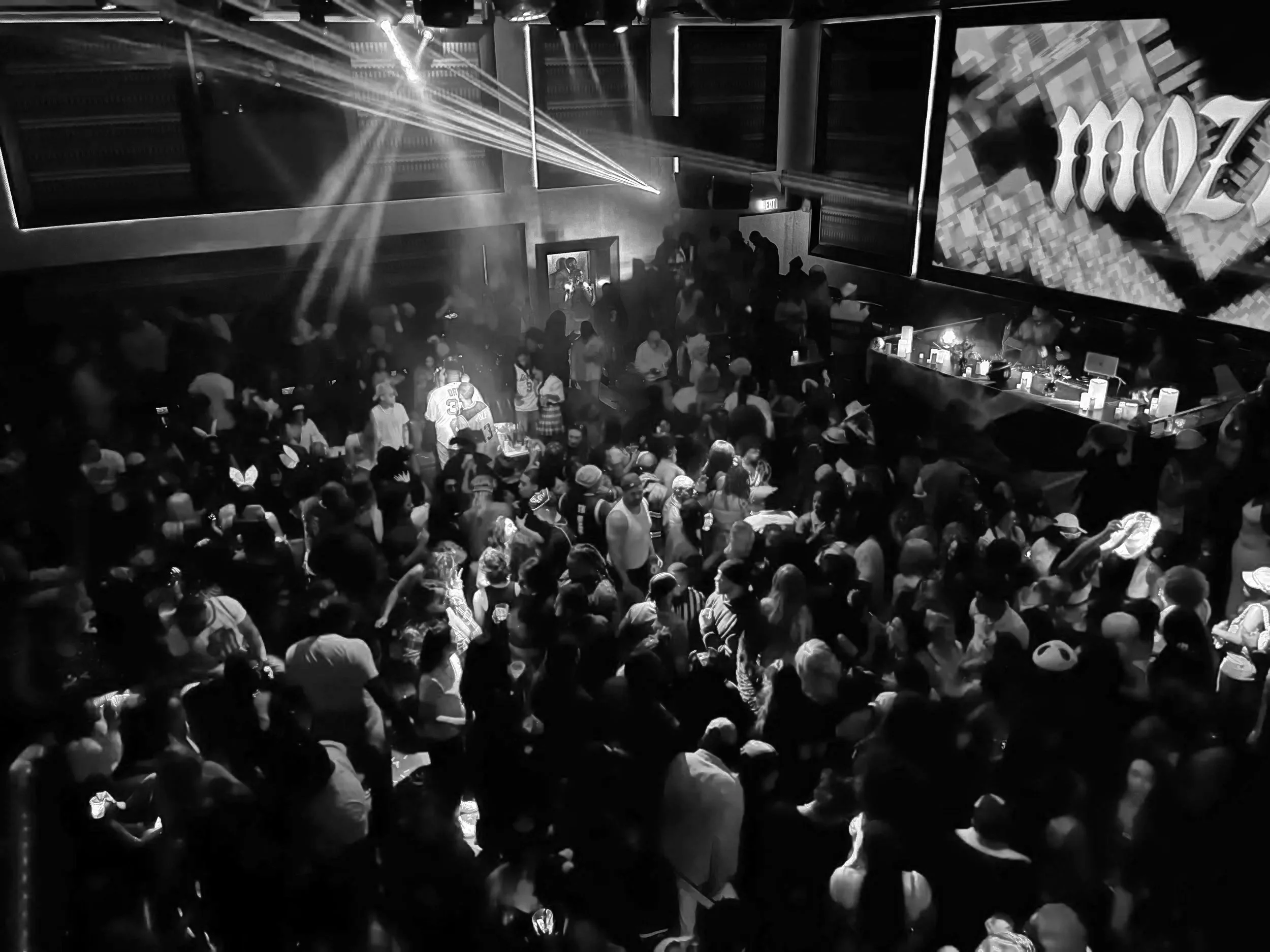
Nightlife for All (2024-2025)
DS4SI and VibeLab (Boston/hybrid)
Workshop Facilitator & Report Editor
What if public spaces and community-led activities came alive at night? What if getting around at night were safe, affordable, and easy? What if Boston’s diverse communities had support in claiming space in nightlife? What if we integrated nightlife as a vital aspect of civic life?
The Nightlife for All paper is the culmination of a community-responsive research process based in Boston-based DS4SI’s Nightlife Lab – and a provocation for what life at night for everyone in the Boston area could be.
Project team: Nohemi Rodriguez, Melissa Teng, Lori Lobenstine, Kenneth Bailey, Kerronia Thomas, Rahul Murdeshwar, Mirik Milan
Report & Recommendations Overview | Read the full report
Photo: via PennPraxis/VibeLab
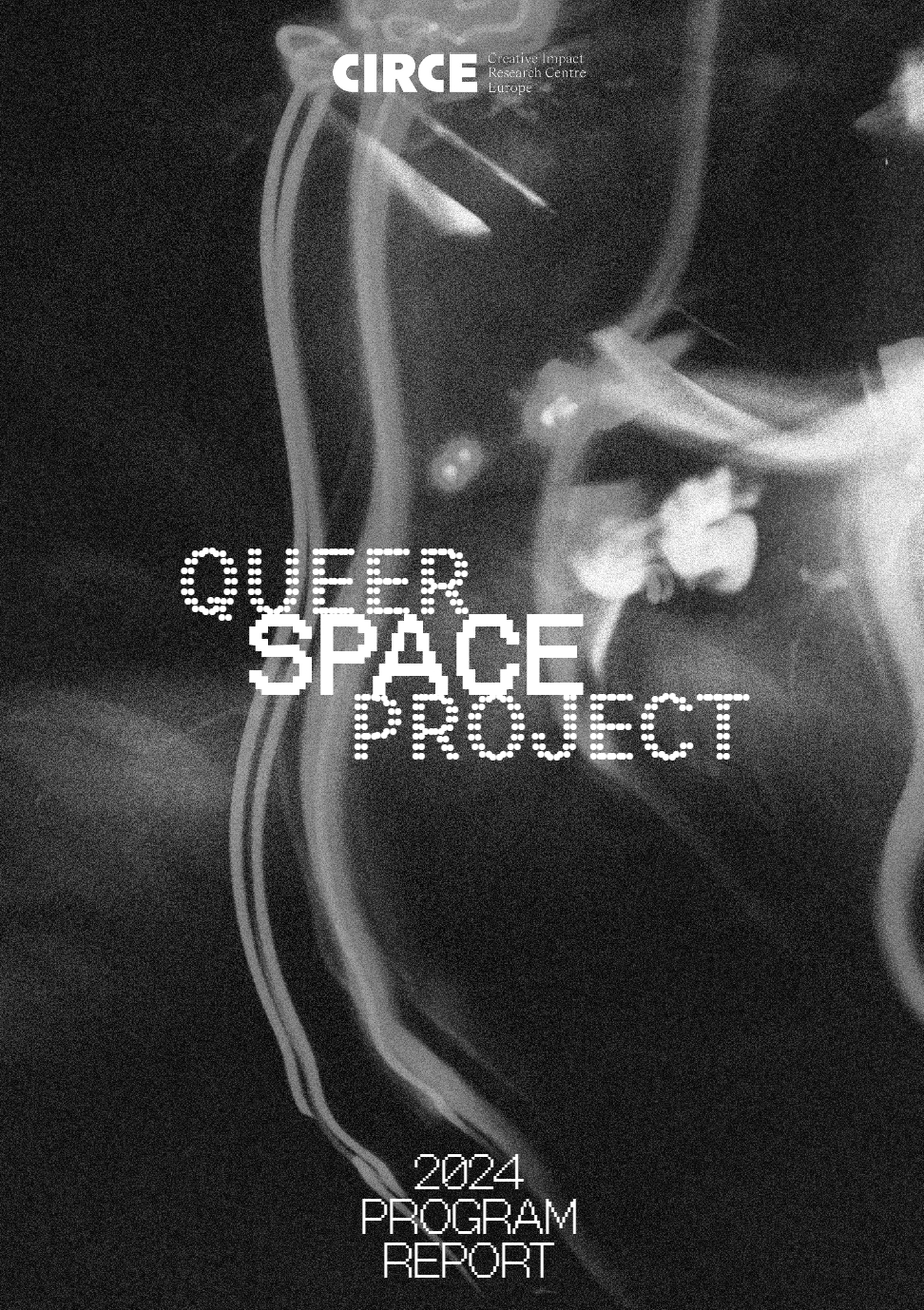
Queer Space Project (2024)
Self-initiated, Berlin
Project Founder
Queer Space Project is an educational program that supports LGBTQ+ nightlife and culture makers in learning to launch and operate nightlife spaces. It seeks to make paths to venue ownership more legible to creative practitioners, and to foster mentorship and peer learning between LGBTQ+ nightlife creators. In 2024, the pilot program was funded by a Creative Impact Research Center Europe (CIRCE) 2024 Fellowship, and focused on participants in the 46 Council of Europe countries.
Learn more & read the full report: Project overview.
With thanks to CIRCE and u-institut’s support.
Photo/graphic design: Ali Wagner
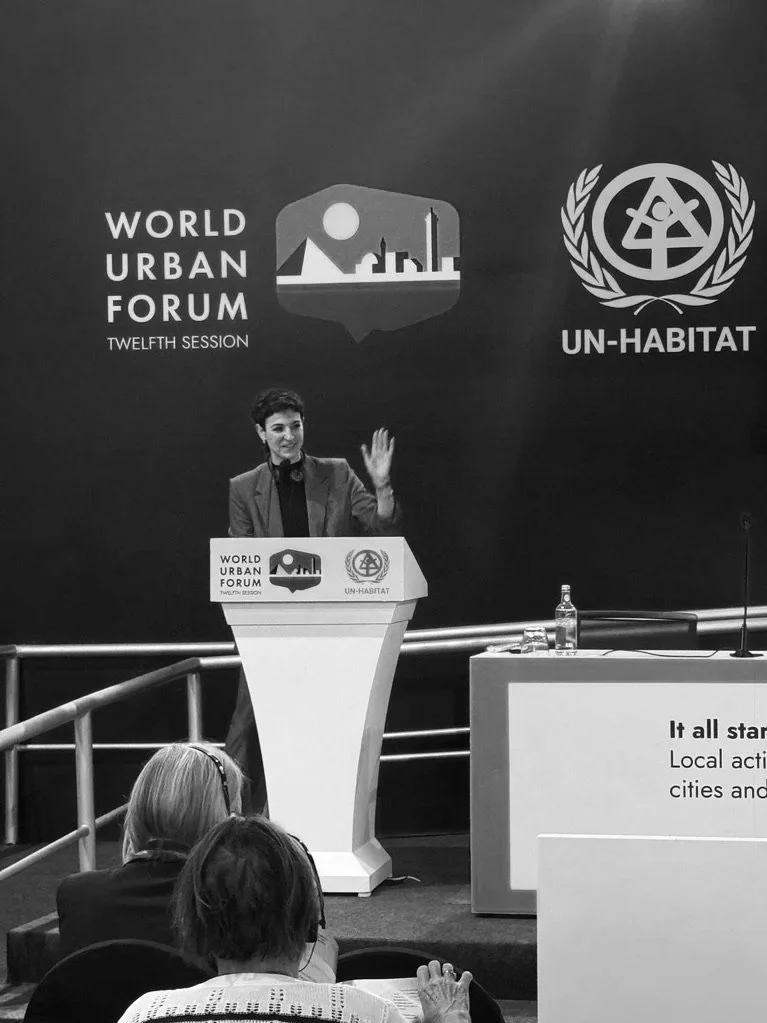
UN-Habitat Neighbourhoods for All (2024)
VibeLab with UN-Habitat, UCLG, Habitat Norway (virtual, international)
Report Co-Author, Presenter, Session Designer/Facilitator
Neighborhoods for All – a Global Peer Learning on Safer Cities was a voluntary collaboration between four organizations, aimed at promoting city-planning practices that enable the development of accessible and vibrant local communities in urban areas across the world. Five peer learning webinars highlighted innovative practices from cities like Medellín, Durban, Bristol, Nairobi, Banjul, Edmonton, Oslo, Lima, Cairo, Berlin, and across India. The final report launched at UN-Habitat WUF12 in Cairo, hosting elected officials alongside community organizers and nightlife advocates.
Read the full report
Photo: Kacper Cembrowski
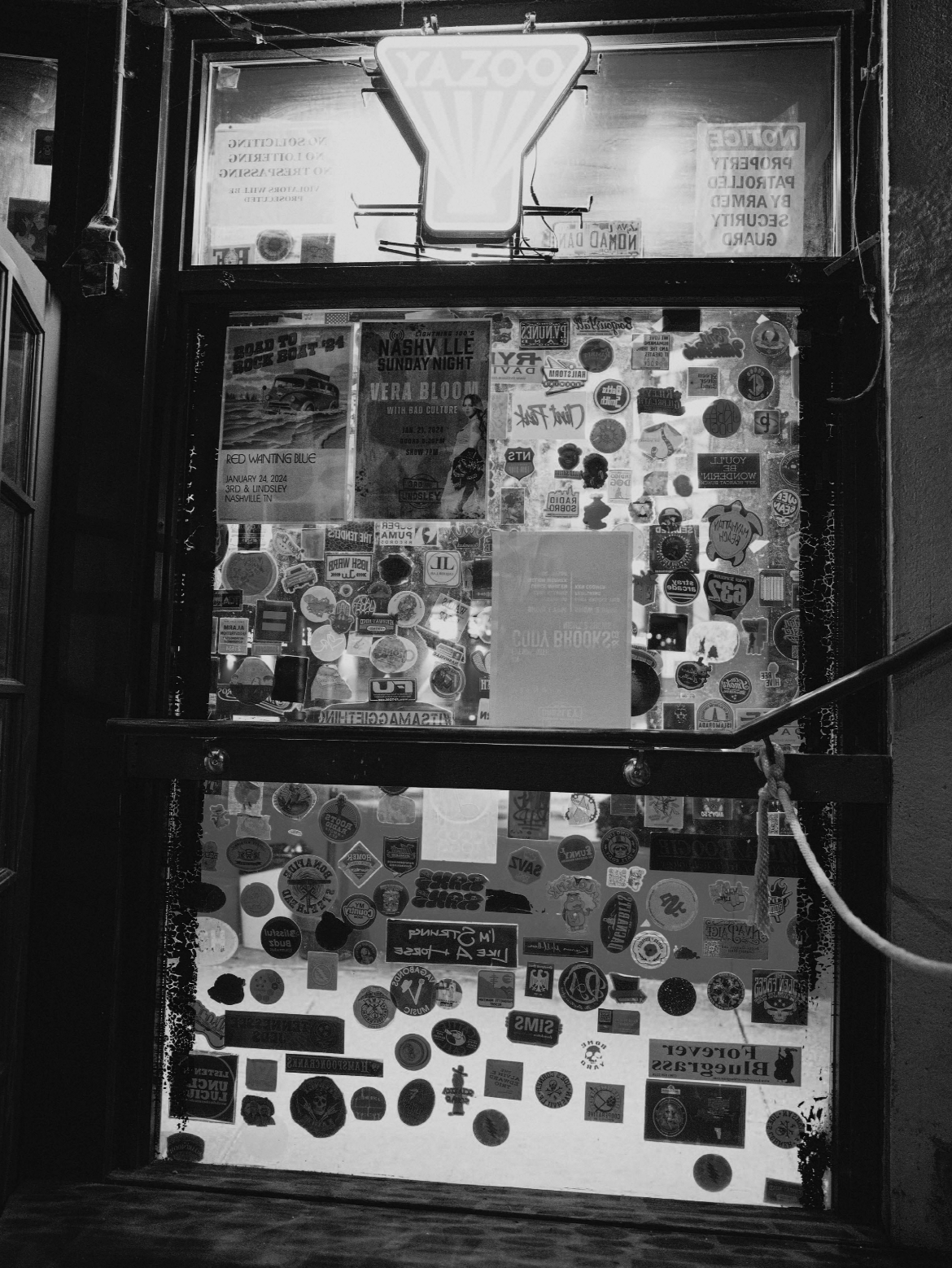
Nashville Independent Venues Study (2023-2024)
PennPraxis, VibeLab and Culture Shift Team, for Metro Nashville and Davidson County (Nashville, TN)
Research and Report Lead
Nashville Independent Venues Study (NIVS) arose from a Nashville Metro Council resolution calling for an inventory of Nashville’s independent music venues, and the identification of ways to preserve and grow them. A local and international project team carried out 39 engagement sessions and qualitative and quantitative research, in order to inventory and classify Nashville music venues, understand the needs of the region's creative community, and develop policy approaches for preserving and growing independent venues in a healthy and thriving music ecosystem. This research not only inventoried Nashville’s venues, but also identified key differences between independent, partly independent and non-independent venues in where they locate, how much they are likely to pay in rent, and the role they tend to play in building community and fostering new artists, new writers, and original music.
Summary & Findings Overview | Read the full report
Photo: Chuck Adams
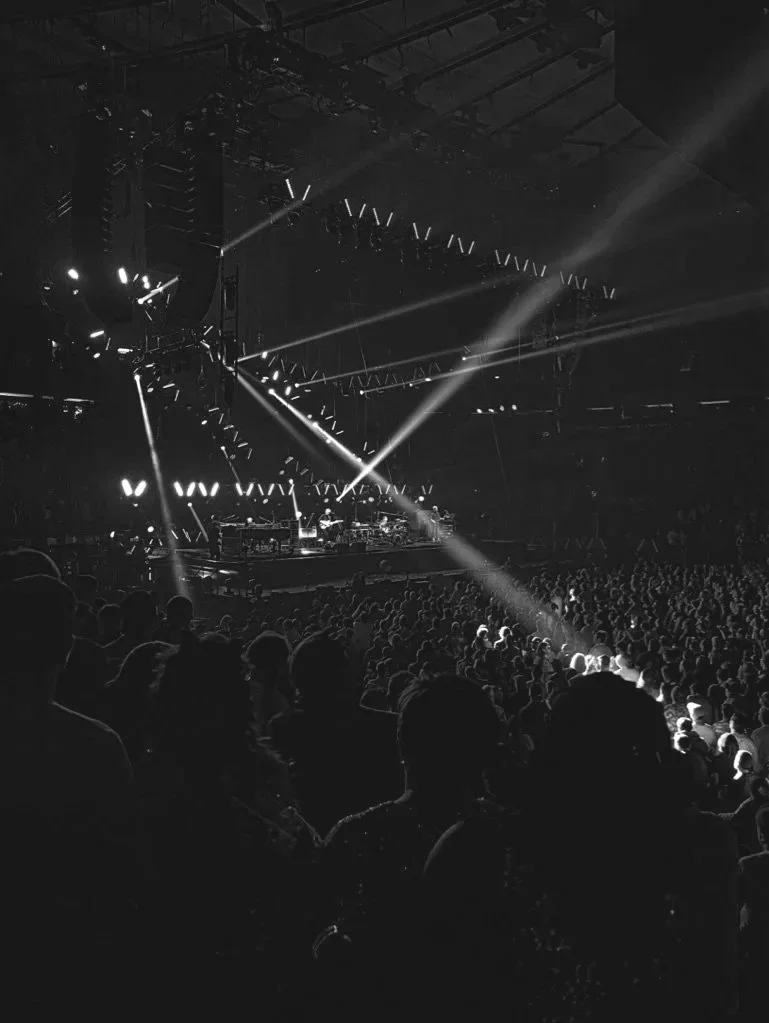
Toronto Night Economy Review (2022-2023)
VibeLab for the City of Toronto (Toronto), with Long Winter and PennPraxis
Researcher and Lead Report/Bid Writer
The Toronto Night Economy Review (NER) consisted of an online survey and series of consultations focused on updating Toronto’s licensing and regulation for businesses, and understanding how City regulations can support balanced night economies, culture and communities citywide. Seven focus group sessions, three city-wide consultations and a survey engaged over 3300 business operators, nightlife industry workers, artists, residents and members of the public.
Read the full report | More on the City of Toronto’s Night Economy
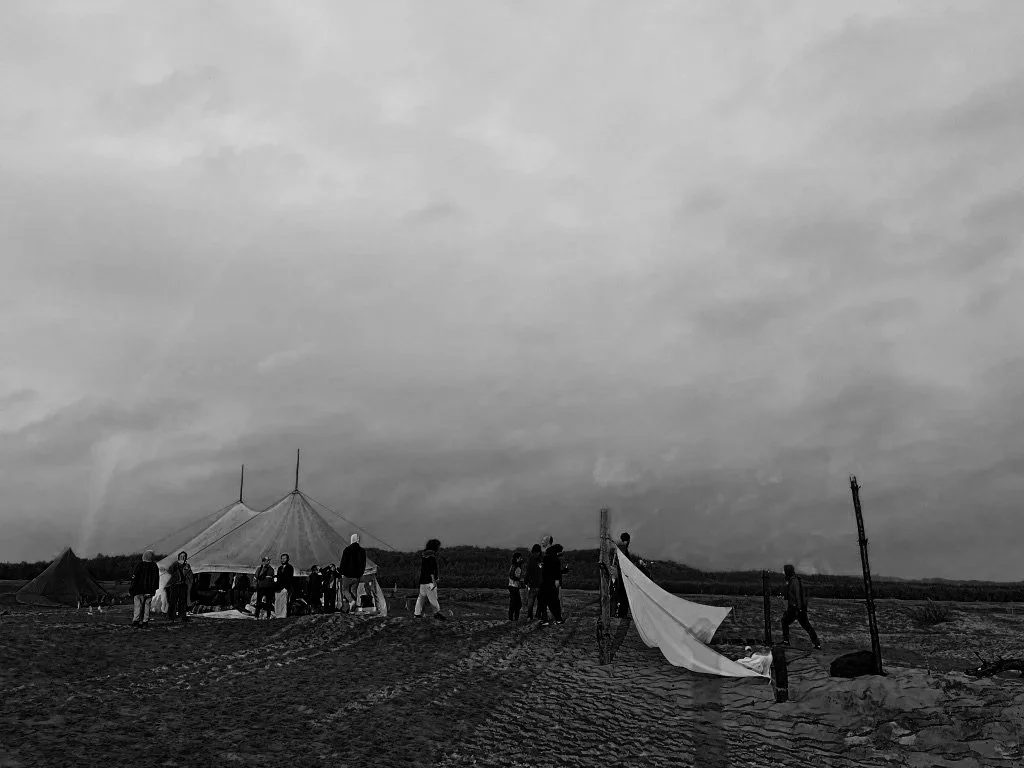
LIOS/Regenerative Gatherings (2022-2023)
LIOS Labs / OnEarth Foundation (Błędów Desert, Poland)
Lead Researcher and Report Author
Sharing of the Fruits 2022 was an experimental, non-commercial micro-festival in Poland’s Błędowska Desert, prototyping a climate-neutral public music production with an eye to climate and social sustainability. Produced by OnEarth Foundation and LIOS Labs with support from EU MusicAIRE/Creative Europe, A Manual for Regenerative Gatherings was the result of sustainability research design and impact tracking at the festival and afterwards. Its aim is to share the festival approach, learnings, and planning tools, in order to support other organizers producing small-scale gatherings with a focus on sustainability.
Co-authors: Rajat Rai Handa, Kamila Knap // Event & Report Concept: Jessie Dymond Barber, Kamila Knap, Jo Vávra, Ilja Minaev
Read the full report
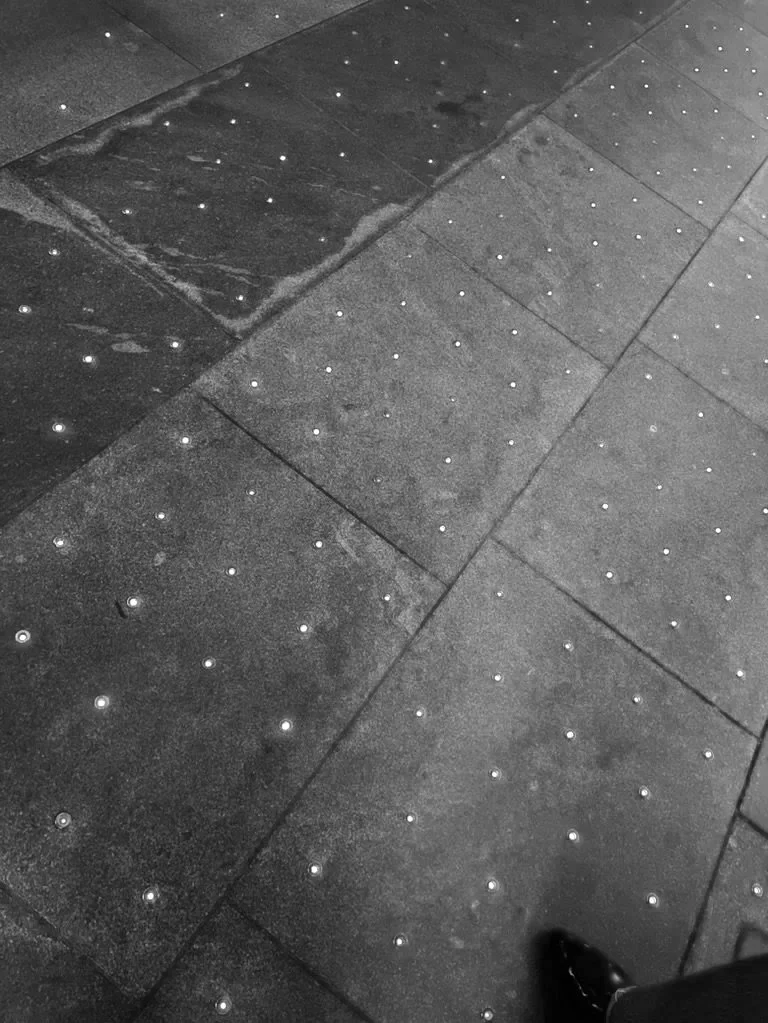
Global Nighttime Recovery Plan (2020-2021)
VibeLab with Alexander von Humboldt-Stiftung, PennPraxis, Fraunhofer IAO (virtual)
Co-Editor
Launched in 2020 in response to Covid-19’s impact on urban nightlife and cultural space, the Global Nighttime Recovery Plan (GNRP) is a seven-chapter collaborative practical guide that aims to provide actors in the nighttime ecosystems worldwide the knowledge and tools to aid their cities in planning for safe, intentional, and equitable re-opening. With the input of over 100 experts, and inputs or models from 70 cities worldwide, GNRP shares frameworks, tools, and practices to re-envision a better “normal” for nighttime in cities.
Read all GNRP chapters
With co-editors and coordinating team: Michael Fichman, Jessie Dymond Barber, Richard Foster, Lutz Leichsenring, Mirik Milan, Amir Salem, Andreina Seijas, Anastasiya Varenytsya, Jia Yuan

Wanna get in touch? hello [at] draiselis [dot] com