QUEER SPACE PROJECT
Linking LGBTQ+ nightlife makers with the knowledge, networks, and tools to create new spaces.
Initiated by Diana Raiselis, Queer Space Project is an educational program that supports LGBTQ+ nightlife and culture makers in learning to launch and operate nightlife spaces. It seeks to make paths to venue ownership more legible to creative practitioners, and to foster mentorship and peer learning between LGBTQ+ nightlife creators. In 2024, the pilot program was funded by a Creative Impact Research Center Europe (CIRCE) Fellowship, and focused on participants in the 46 Council of Europe countries.
READ THE REPORT (opens as a PDF)
2024 Program Learnings
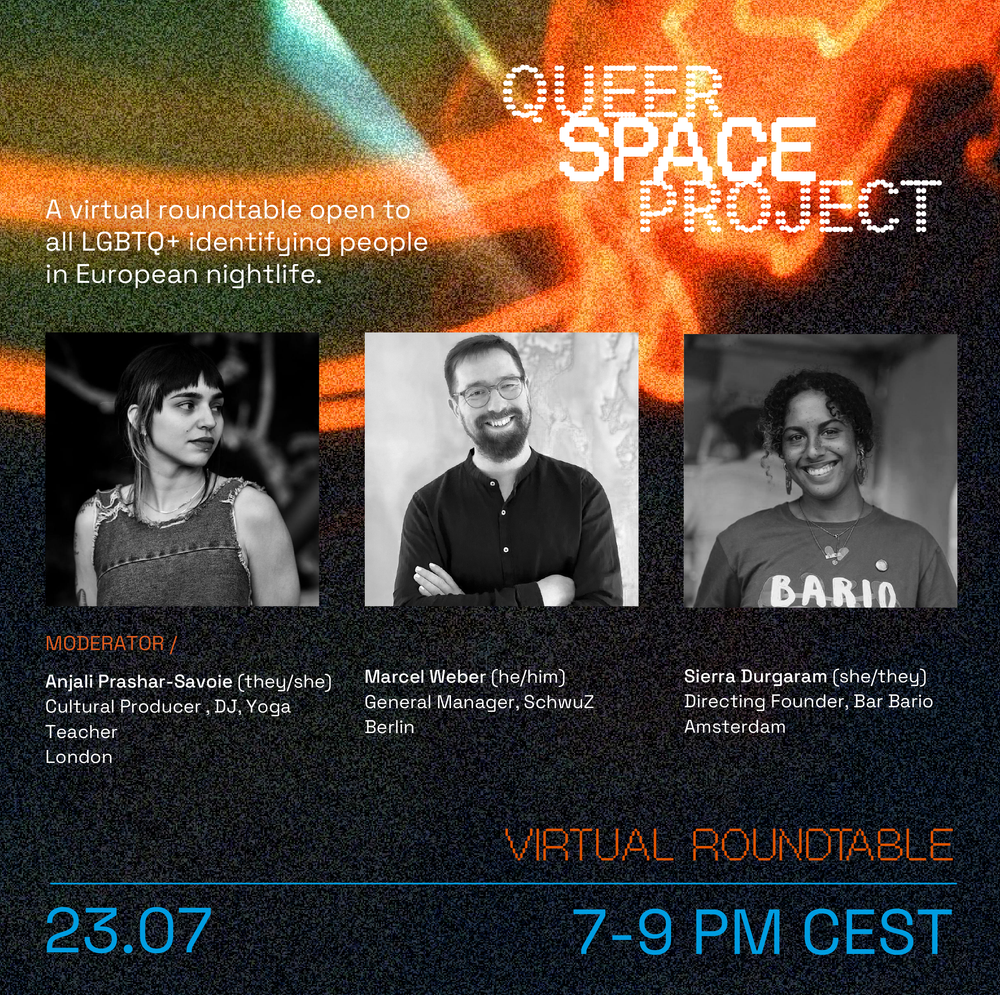
What we learned from a snap survey in the virtual roundtable: 87% of respondents are interested in running venues, but only 20% feel confident in their knowledge to start a space. Financial concerns was the barrier most frequently named by roundtable participants (48%), followed by concerns around safety, discrimination, or lack of funding for queer culture (27%); finding suitable space (24%); and the need for more knowledge, mentorship, or collaborators (21%). As a result of the cohort program, participants felt that their knowledge improved, and nearly three-quarters feel more motivated to start or run space—particularly due to the presenters’ experiences and concrete tools offered.
Cohort
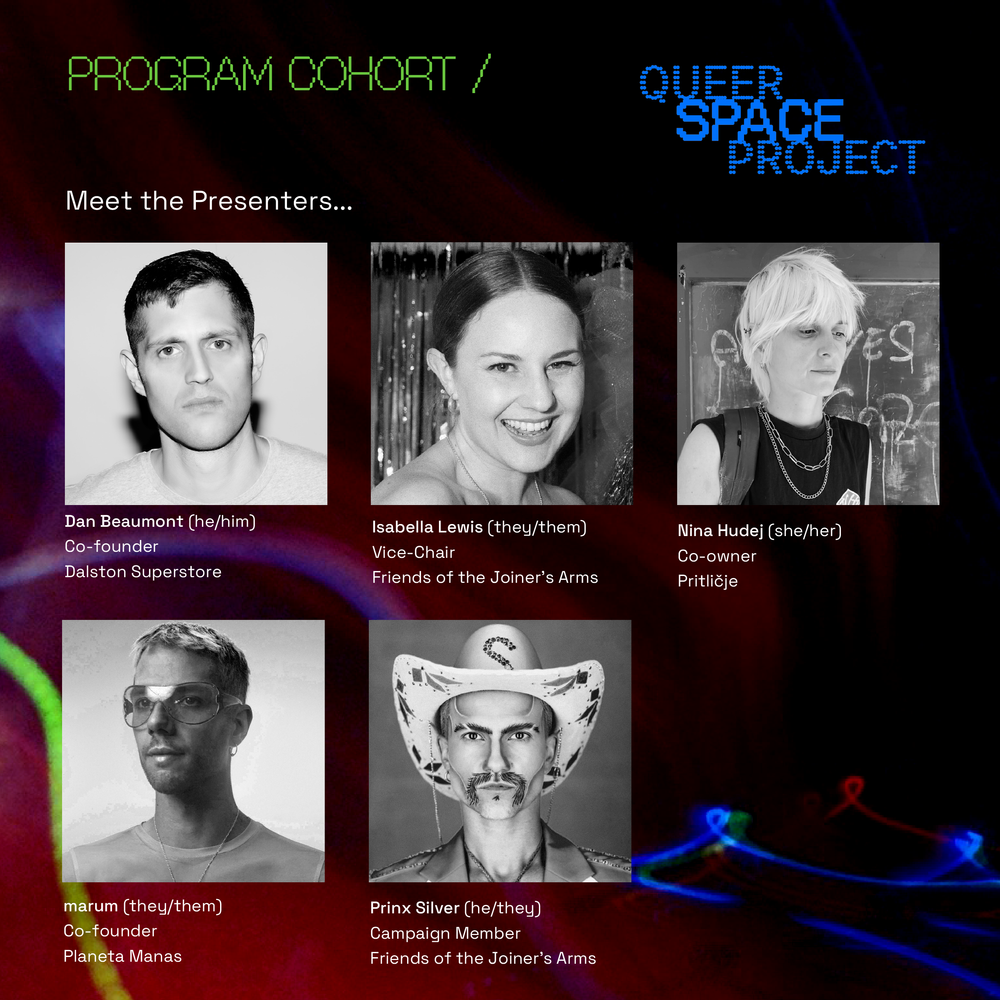
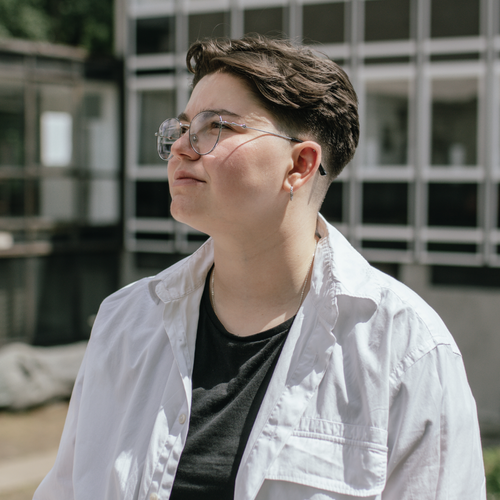
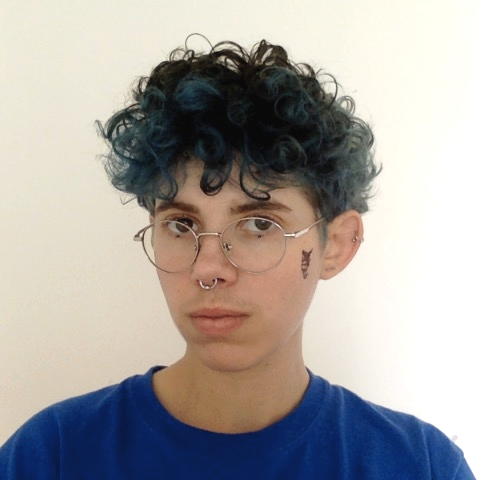
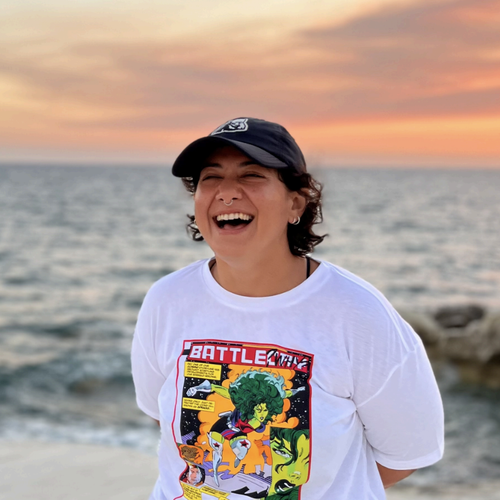
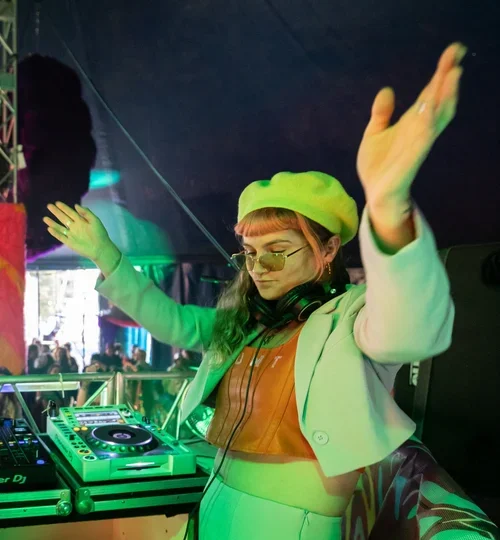
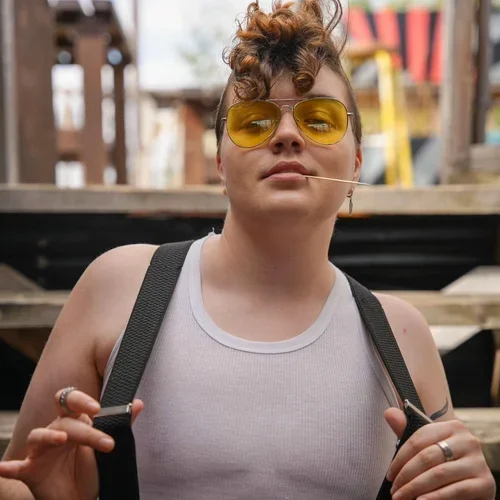
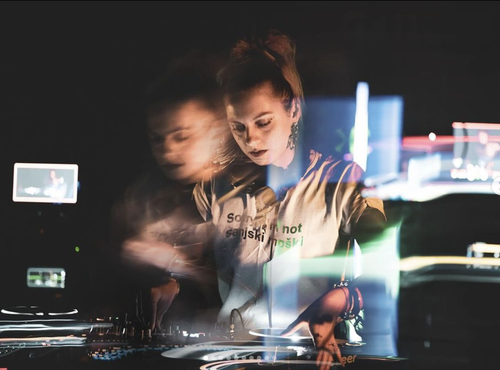
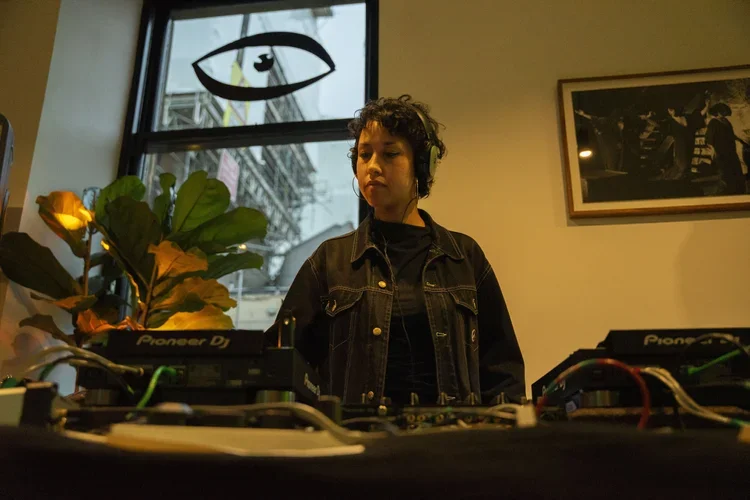
In fall 2024, QSP hosted a first program cohort of 16 participants based in 13 cities across Europe. Collectively, this cohort represented artists, community organizers, curators, DJs, event managers, harm reduction and awareness workers, performers, producers, promoters, current and aspiring venue operators working across a range of artistic practices, music genres and scenes, community initiatives, and more.
Read more about the cohort here.






SUPPORTING QUEER SPACE PROJECT
What is the Queer Space Project? Why is this happening?
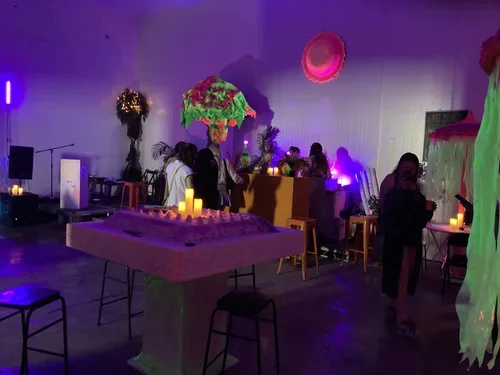
Why? Because space is the essential building block for LGBTQ+ community, and also for vibrant cultural life in our cities. The kinds of spaces that queer communities need, and use, are changing. We come together not just in gay bars, but also in sober contexts, in temporary-use and pop-up spaces, in multi-use and interdisciplinary venues, in spaces that operate both day and night. But amidst a discomfiting rise in anti-LGBTQ+ hate speech and violence across Europe, often spurred by political and religious leaders’ rhetoric, durable and lasting venues owned and operated by and for LGBTQ+ community (particularly women, trans, and QTIPOC people), are very much still necessary.
But these spaces are precarious—and their operators don’t always represent their audiences. One study found that London lost 58% of its LGBTQ+ venues between 2006–2017, to factors like urban development, untenable lease renewal terms, licensing issues, and financial or business struggles. A 2024 analysis of Berlin techno clubs’ leadership noted that venues are overwhelmingly led by men, with “hardly any FLINTA*” in positions of power. We envision cities where queer-run spaces are abundant, and where women, BIPOC, and trans and non-binary people are more fully represented in venue ownership, operations and decisionmaking. This program aims to make a step in that direction, by making paths to venue ownership more legible to creative practitioners, and fostering mentorship and peer learning for LGBTQ+ nightlife.
Who is it open to?
The 2024 programs were open to anyone who self-identifies as LGBTQ+, is based in the 46 Council of Europe states and considers themselves actively working in nightlife, culture and/or creative work. Participants did not yet need to be actively developing a specific project or concept.
This project seeks to create a diverse network of participants, session presenters and mentors in terms of geography, identity, and lived experience. We actively encourage participation from women, trans and non-binary people, BIPOC (Black, Indigenous, and People of Color), and people of all ages.
Who’s behind this project?
QUEER SPACE PROJECT’s first edition was made possible by CIRCE, initiated by Diana Raiselis. Supporting organizations helping to get the word out included Berlin Clubcommission and Awareness-Akademie (DE), Friends of the Joiners Arms (UK), and VibeLab (NL).
How can I stay updated?
Thanks for your interest! Please drop an email to the address at the bottom of this page, and we’ll add you to our contacts, to send (very occasional) updates about program activities.
Wanna get in touch? hello [at] draiselis [dot] com